
Available Procedures:
At Border Healthcare we connect you with ophthalmology specialists and advanced vision correction procedures. Each treatment requires a personalized evaluation to determine which option is best suited for your eyes.

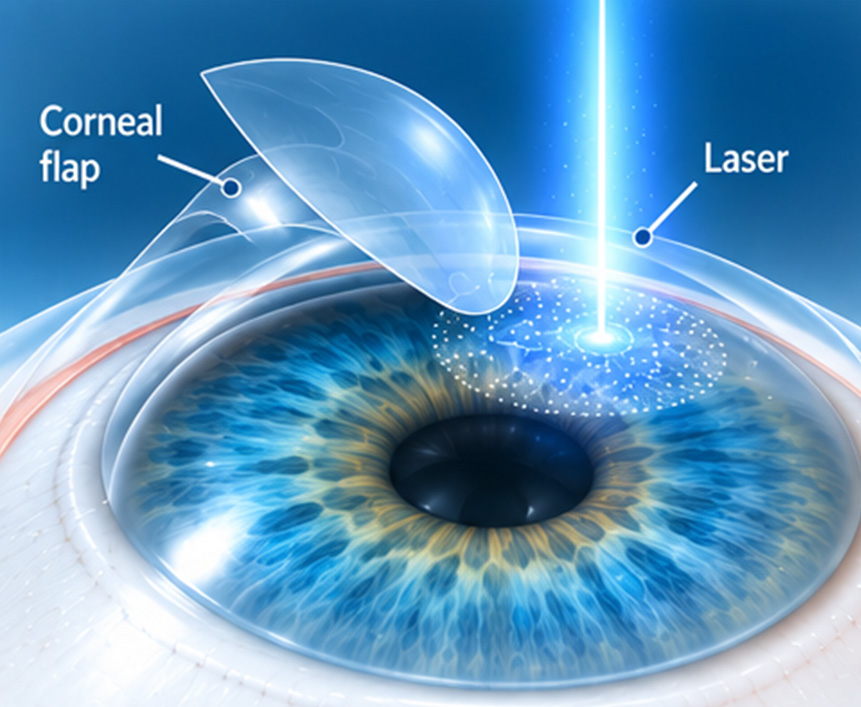
A laser reshapes the cornea after creating a thin corneal flap. Commonly used to correct myopia, hyperopia, and astigmatism.
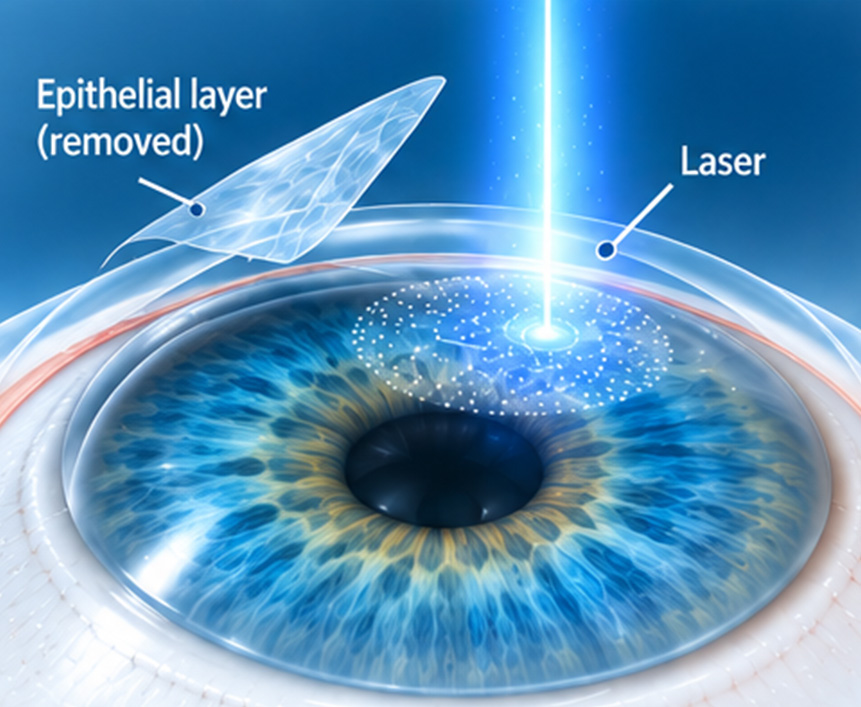
A flap-free laser procedure that reshapes the surface of the cornea. It may be considered for patients whose corneal characteristics make LASIK less suitable.
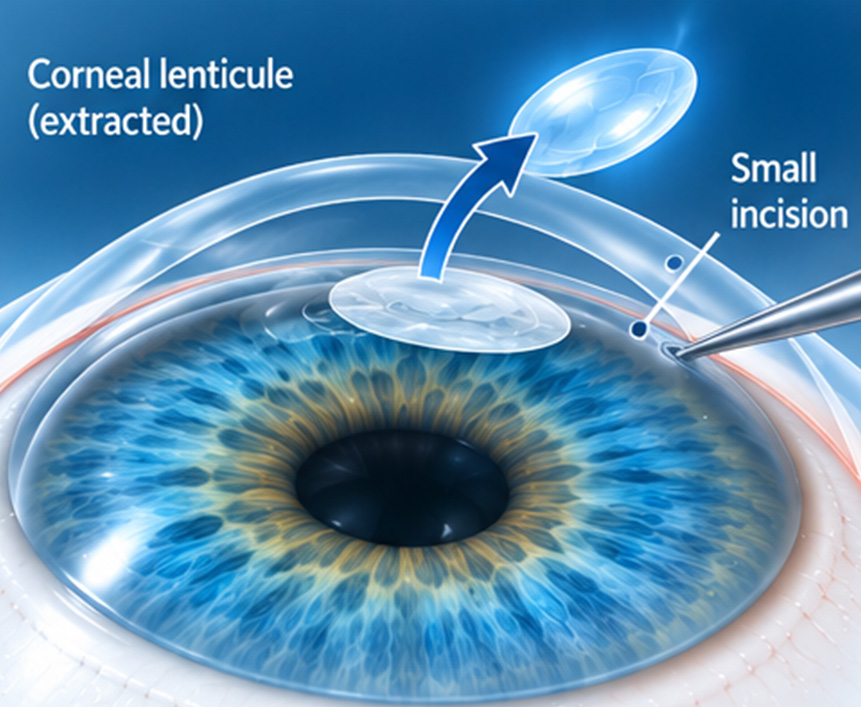
A minimally invasive laser procedure in which a small piece of corneal tissue is removed through a tiny incision. Primarily used for myopia and astigmatism.
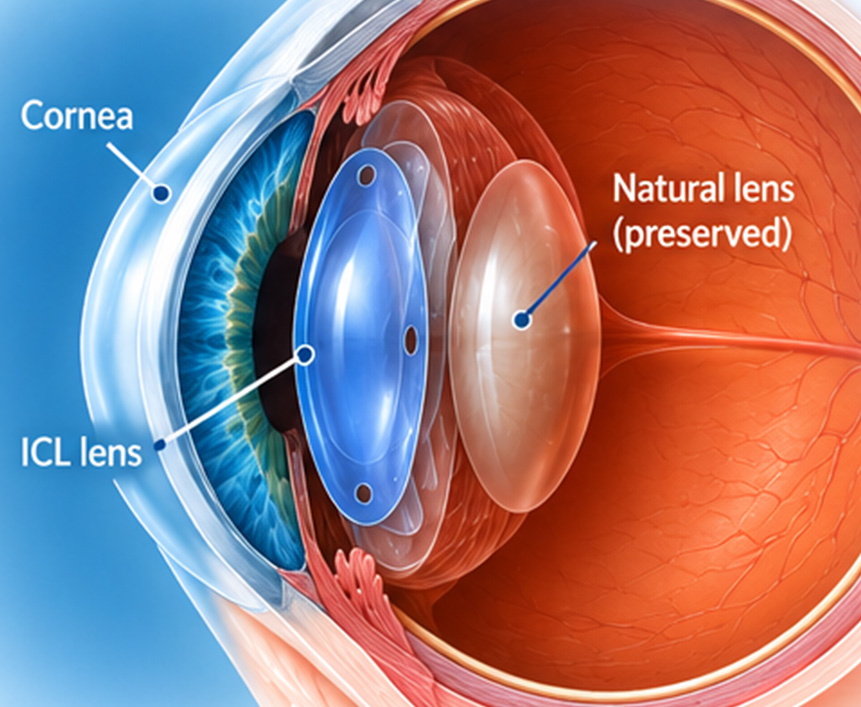
An implantable corrective lens is placed inside the eye while preserving the natural lens. Often considered for patients with moderate to very high myopia or those who may not be ideal candidates for corneal laser surgery.
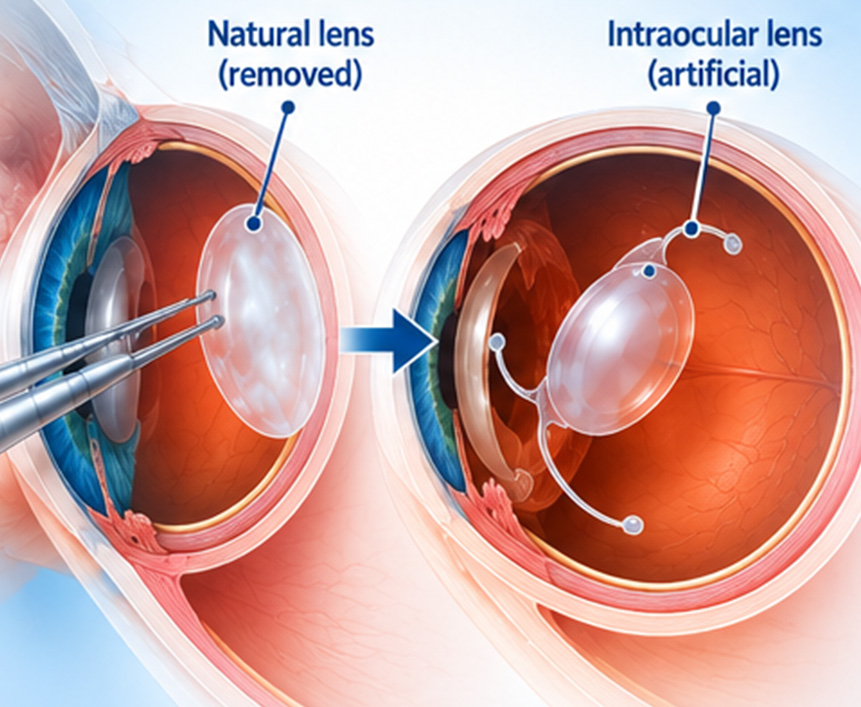
The natural lens of the eye is replaced with an artificial intraocular lens. This option may be considered for patients with presbyopia, significant hyperopia, or age-related changes in the natural lens.
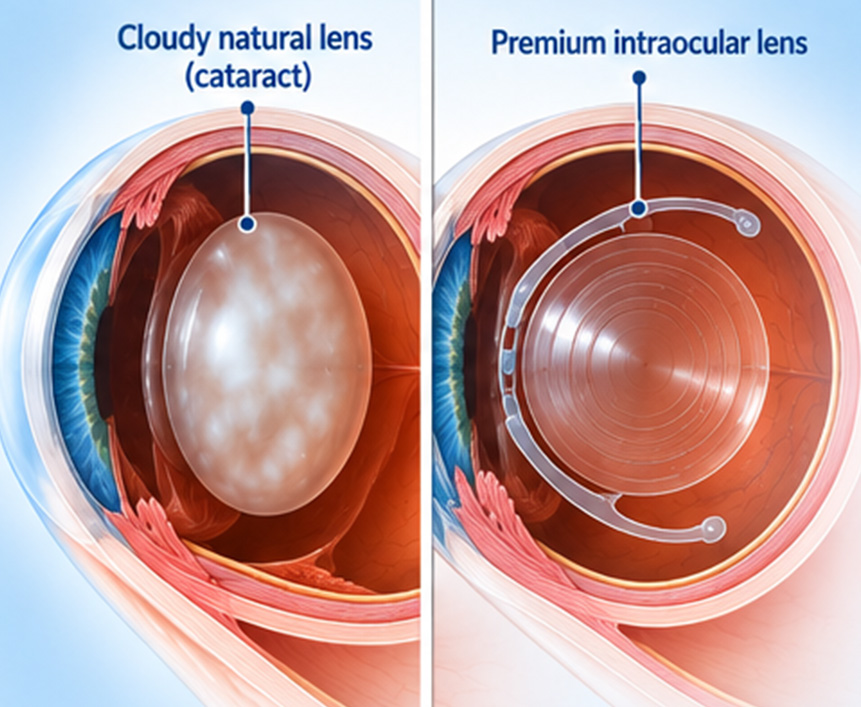
The cloudy natural lens is removed and replaced with an advanced intraocular lens. Options may include toric, multifocal, trifocal, or extended-depth-of-focus lenses, helping reduce dependence on glasses after cataract surgery.
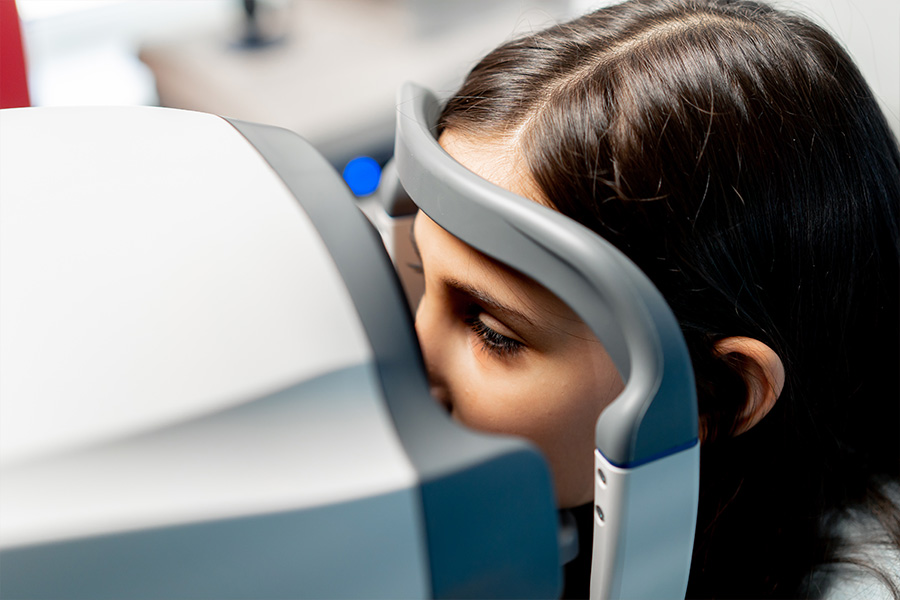
Factors to Consider Before Eye Surgery
Prescription Strength
Age
Eye Health
Corneal Anatomy
Your eyes are unique. The appropriate procedure can only be determined after a comprehensive ophthalmologic evaluation.
Frequently Asked Questions
Get Your Questions Answered Before Scheduling
We want you to make your decision with clarity and confidence. Here are some of the most frequently asked questions about us.
How Can I Know Which Vision Correction Procedure Is Right for Me?
The choice depends on factors such as your prescription, age, eye health, and corneal thickness and characteristics. During a comprehensive eye examination, the specialist will determine whether you are a candidate for LASIK, PRK, SMILE, ICL, or another procedure.
Is Vision Correction Surgery Painful?
Most procedures are performed using anesthetic eye drops to minimize discomfort. You may experience sensitivity, tearing, a foreign body sensation, or blurred vision during recovery. The level and duration of discomfort vary depending on the procedure.
How Long Does Recovery Take After Eye Surgery?
Recovery time depends on the treatment. Some patients experience improved vision within the first few days, while other procedures, such as PRK, require a longer recovery period. The ophthalmologist will provide specific instructions regarding care, activities, and follow-up.
Will I Be Able to Stop Wearing Glasses or Contact Lenses After Surgery?
Vision correction procedures aim to reduce dependence on glasses or contact lenses, but results vary from patient to patient. Some people may still need them for certain activities, especially as vision changes with age.
How Can I Schedule an Eye Examination with Border Healthcare?
You can contact Border Healthcare to learn about the available options and request an evaluation with an ophthalmology specialist. Our team will help coordinate your medical care and, when applicable, the logistics related to your travel and treatment.
* The decision regarding the most appropriate procedure will always be made by the treating ophthalmologist following a clinical evaluation.